
 If you know something about Kanban and perhaps a little bit about Portfolio Kanban, you may be aware of the need to know and display two signals for your epics that will help you manage your flow of work better.
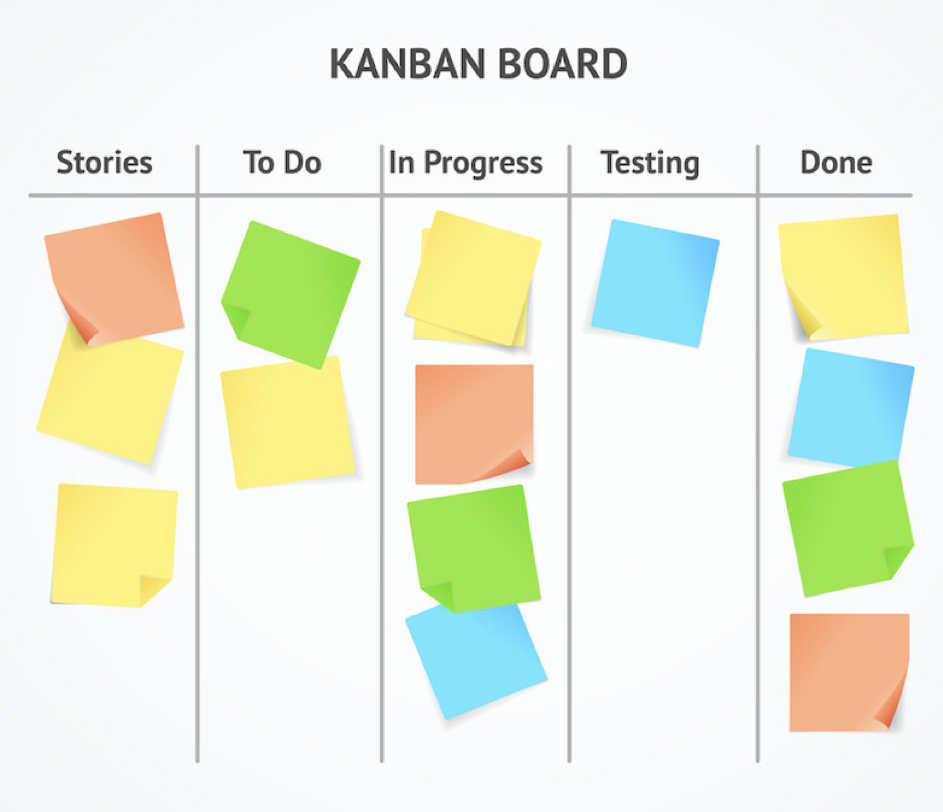 When I introduce myself as a kanban consultant I sometimes get a puzzled look back. So here are some thoughts on the subject.
Kanban coaching consultants (or just kanban consultant) play a vital role in helping organisations adopt and implement the Kanban Method effectively. 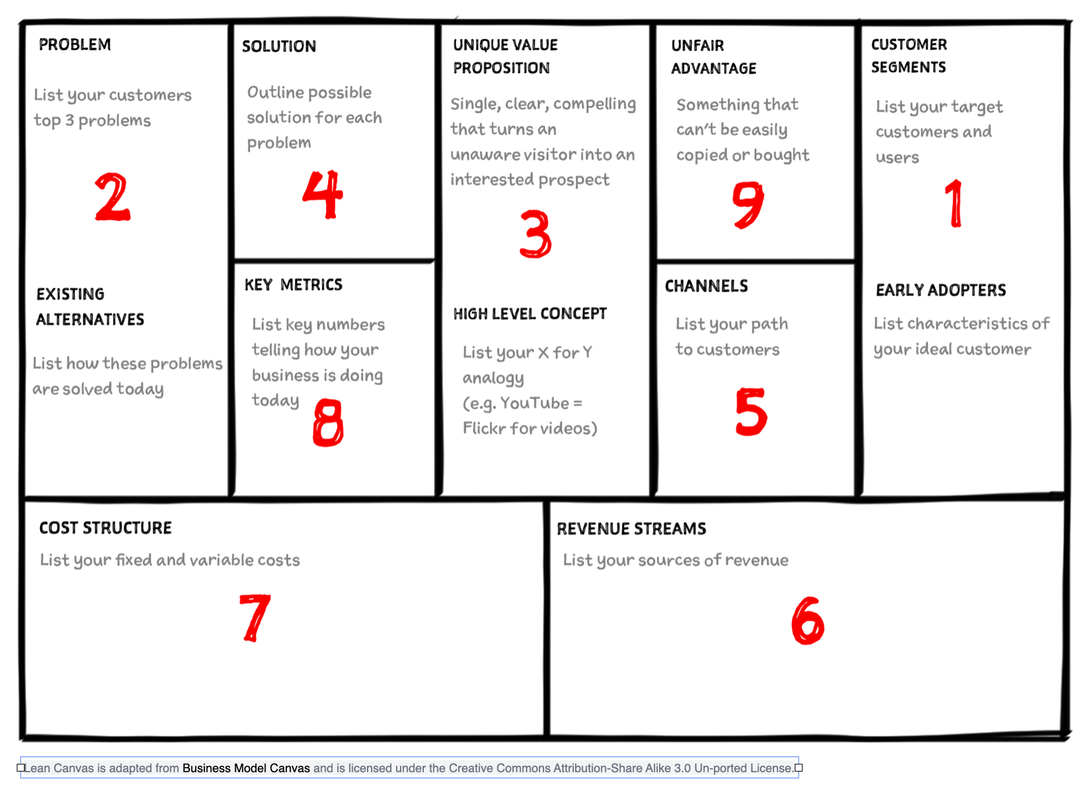 This is the second part of my posts on filling in the Lean canvas. If you’ve come across this article first, you should take a look at part 1 to begin with. Lean Canvas is a one-page business model template that helps startups decompose their business model quickly. It is part of Ash Maurya’s Continuous Innovation Framework and while on the surface it looks simple, filling it in can be tricky and can lead you in the wrong direction.
Lean canvas is a one-page business model template that helps entrepreneurs, intra-prenuers and startups begin decomposing their business model quickly and efficiently. It is a visual tool that forces you to think through the key elements of your business model, such as your target market, value proposition, and revenue model. It can fully replace a 30 page business plan in helping you answer the most important questions for your business model. The Lean canvas is part of Ash Maurya’s Continuous Innovation Framework which constitutes an essential building block to our method for starting and growing your business. 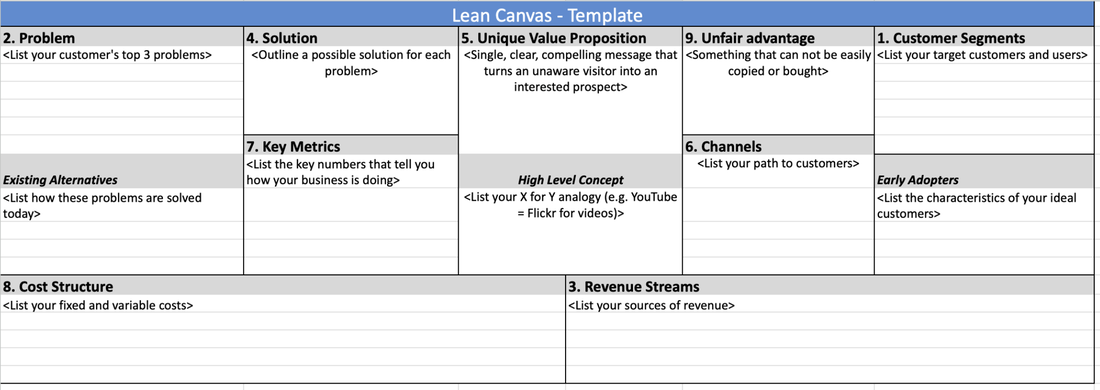  The team were already using a kanban board/system. They were not sure how to measure productivity. People were leaving the team often. They were considering a new tool $$$ that promised to solve the issues.
 When a team or organisation have never come across Kanban for knowledge work, it is necessary to take a step back and explain the method and the benefits in simple words. This isn’t always easy!
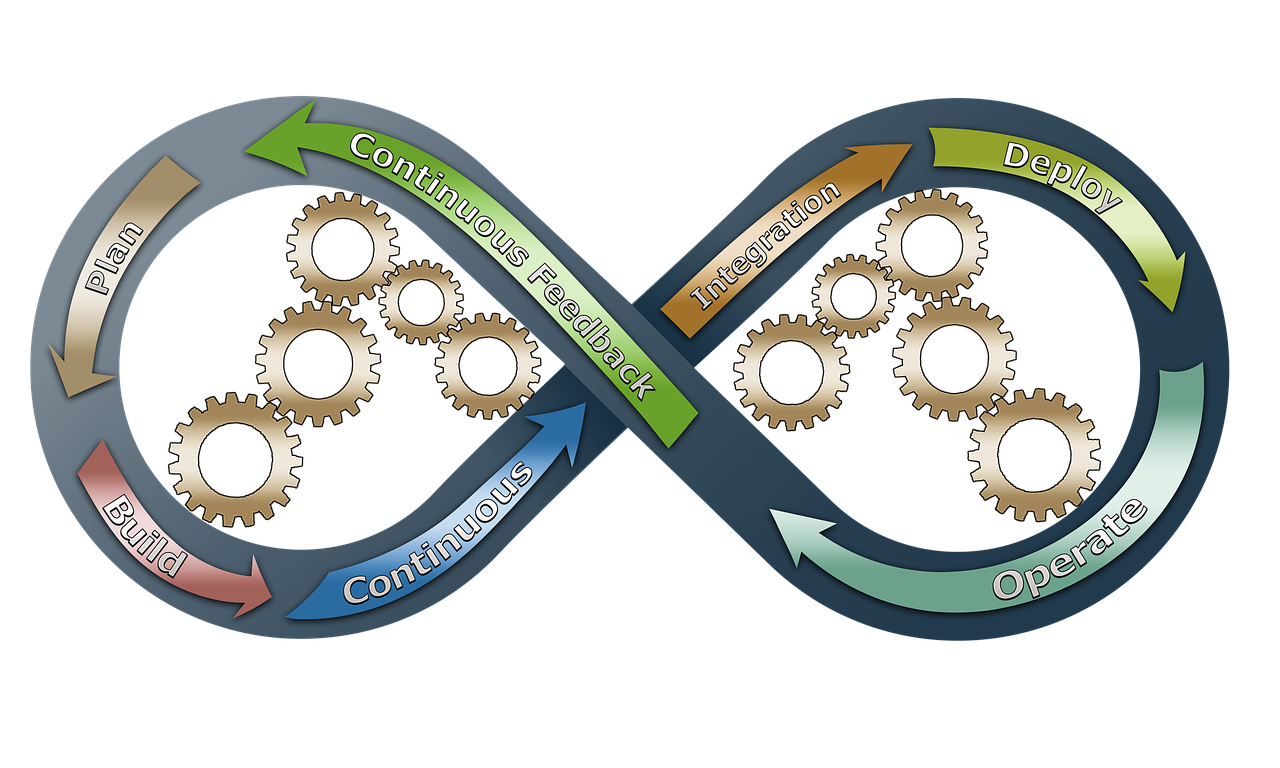 It happens in our practice to come across teams and individuals who have never experienced the benefits of using a certain method or practice to achieve an improvement of some sort. In this case we are going to explore using Agile Software Delivery.
 Calculating work item age is an essential part of running and optimising a workflow using Kanban practices. Contrary to popular belief you can benefit from Kanban measures and workflow optimisation regardless of what other processes you may have implemented (e.g. Scrum or DSDM or even a scaling framework). For the purpose of this article I would assume that you understand the ideas of Kanban for knowledge work and that you will know why tracking work item age is essential..
 Do I start my day with a coffee or just a large glass of water? Should I stick to black coffee or go for a flat-white? I love flat-white but who needs the milk, right? You can easily imagine your life as a series of decisions that you have to make all day, every day. Even when it doesn’t seem like it....
 It is well accepted that motivated teams produce the best results. The question then is, how do you motivate your team. Traditionally, businesses have used monetary rewards which can be very effective in the short term but may cause damage in the long run and become less effective.
 Every organisation that wants to run an effective business will undoubtedly aim to structure their teams so that they are capable of working effectively and making a positive difference. As consultants we have to at least assume that to be the case...
 It’s 2022 and by now most people working in Software Development will be familiar with the role of a Software Delivery Lead. And while you will have often come across some ...
 What is the role of a Software Delivery Lead? I often get asked this question. The answer isn't short or simple. So I decided to write it up here and point all those people who ask me, to this article.
What if there was a quick way to understand what sort of organisation you are about to join? If you’ve ever worked for an organisation in exchange for money, the chances are you have had to go via an interview process. As your career progresses, you begin to realise that the interview process works both ways. You choose the organisation as much as it chooses you.
How do we have better conversations? Peter was still reflecting on his quick chat with the lady at the petrol station and it struck him how many times the lady had said the word “but” in just a few minutes.
|
Welcome to our blog!About the authorPlamen is a LeanStack coach and an experienced Software Delivery consultant helping organisations around the world identify their path to success and follow it. Archives
May 2024
Categories
All
|
 RSS Feed
